From K-Pop to GDP
The Economics of Korea’s Cultural Export Strategy
By Pyaas Majumder
MAY 2026
Pink Ocean was the most mesmerizing thing I have witnessed during the summer of 2025! Inside Citi Field in Flushing, nearly 40,000 lightsticks glowed simultaneously during a concert by the globally popular South Korean pop group BlackPink. For a moment, the entire stadium was illuminated in waves of pink light. As someone attending my first K-pop concert, the experience was truly unforgettable, not only as a fan but also as an observer of a cultural phenomenon with extraordinary global reach.
Debuting in 2016, BlackPink quickly became one of the most internationally recognized acts in the global music industry. Their historic performance in Coachella Music Festival in 2019 helped accelerate their rise to prominence. They became the first K-pop girl group to perform at the event. Today, their concerts attract tens of thousands of fans across continents, demonstrating the remarkable global success of Korean entertainment.
Experiencing that concert sparked a curiosity in me that goes beyond music fandom: how did South Korea transform its entertainment industry into a global cultural and economic powerhouse? The worldwide popularity of K-pop, Korean dramas, and films often mentioned collectively as the Korean Wave or Hallyu, has generated billions of dollars in cultural exports while simultaneously strengthening South Korea’s international influence. Understanding how this transformation occurred requires examining the intersection of culture, economics, and government policy that has shaped South Korea’s modern entertainment industry.
For much of the twentieth century, global cultural production was dominated by Western media, especially the Hollywood films, American pop music, Hip-hop music, EDM music and European fashion, that shaped global entertainment markets. However, over the last three decades, South Korea has established itself as one of the world’s most influential exporters of cultural content. The rapid global rise of Korean entertainment, which is often referred to as the Korean Wave, or Hallyu, demonstrates the creative and strategic functions of this massive cultural industry.
South Korea’s experience highlights a broader economic phenomenon: how cultural production can serve as both a source of export revenue and a powerful tool of international influence. Combining sustained government support, digital distribution platforms, and growing global demand, the Korean cultural industry has transformed into a major contributor to the country’s economic growth and international influence.
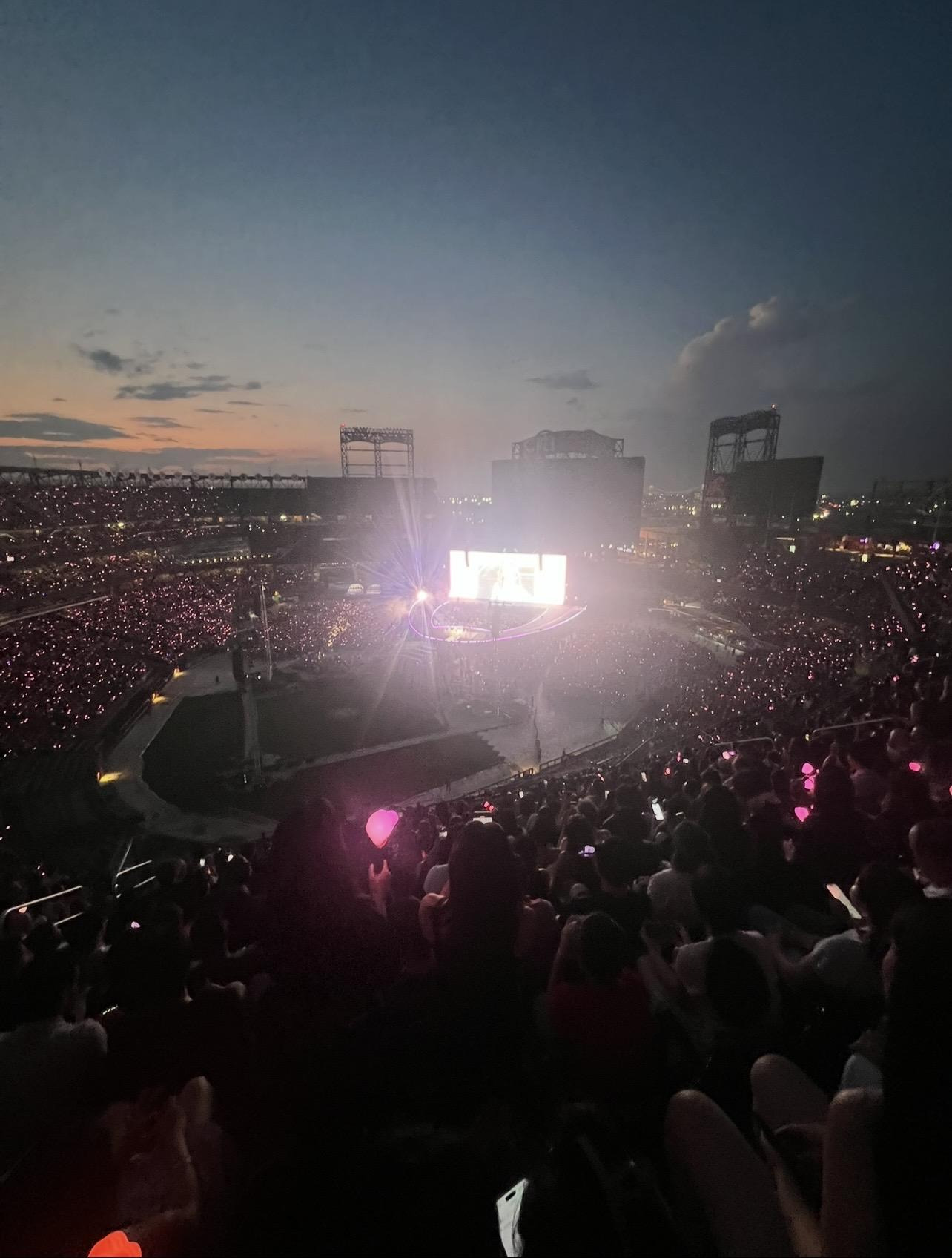
Photo Source: Pyaas Majumder, Citi Field, July 27, 2025
The global success of Korean cultural industries did not emerge overnight. It is closely connected to the country’s rapid economic transformation during the decades following the Korean War. Following the Korean War (1950–1953), South Korea left as one of the poorest countries in the world. With much of the country’s infrastructure being destroyed, the economic production was extremely limited. During the 1950s and early 1960s, South Korea relied heavily on financial assistance from the United States for reconstruction and economic stability. Alongside economic aid, American cultural influence also entered the country through U.S. military bases and media distribution. American music, films, and radio programs became increasingly popular in urban areas, introducing Korean audiences to jazz, rock, and Hollywood entertainment. These cultural exchanges also reflected broader ideological influence, as the United States promoted capitalism and liberal democracy as alternatives to North Korean communism during the Cold War.
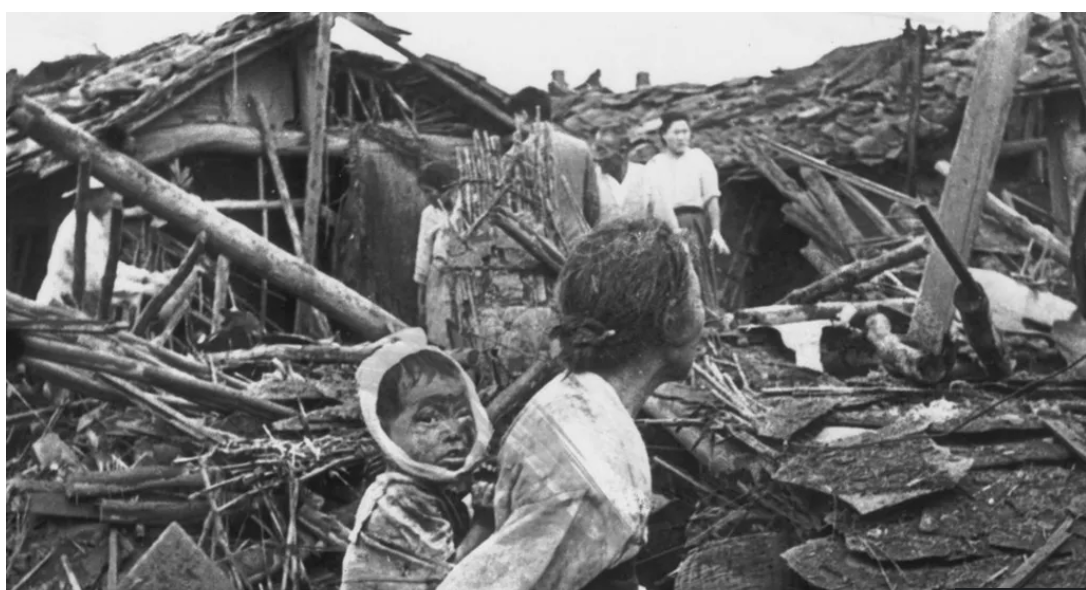
Photo Source: Carl Mydans / LIFE Picture Collection / Getty Images

Photo Source: Korean American Story (koreanamericanstory.org)
Beginning in the 1960s and continuing through the 1980s, South Korea experienced rapid economic growth which is often referred to as the “Miracle on the Han River.” Under the leadership of President Park Chung-hee, the government pursued an export-oriented industrialization strategy, investing heavily in manufacturing and technological development. The state also supported the expansion of large family-owned conglomerates known as chaebol, including companies such as Samsung, Hyundai, and LG. During this period, the government maintained strict control over media and broadcasting while prioritizing economic development. Although the entertainment industry remained largely domestic and heavily regulated, the industrial structures developed during this era,including vertically integrated firms and export-focused production that would later influence the organization of South Korea’s cultural industries.
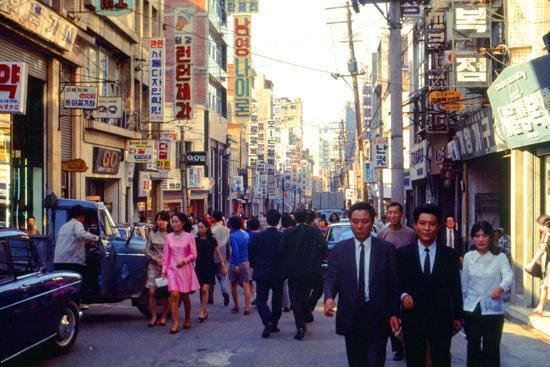
Photo Source: Ron Dougherty, rondougherty.com
Despite the consistent rapid industrial growth, structural weaknesses within South Korea’s financial and corporate sectors began to emerge during the 1990s. The year of 1997 was one of the worst times in South Korea's history as the country experienced a severe effect of the financial crisis caused by continuous massive capital outflows, a sharp depreciation of the Korea won, and widespread distress throughout the corporate and financial sectors within the country. In order to stabilize the economy, the South Korean government agreed to a $21 billion standby arrangement with the International Monetary Fund (IMF) in December the same year. This IMF program had goals to restore macroeconomic stability of the country by implementing major reforms in the corporate sector since the same potential in the financial sector helped South Korea to graduate from its status as a poor nation after the Korean War.
The financial crisis provoked the country’s worst economic downturn in decades. Gradually, through many obstacles, the economy started showing improvements. In 1998, the GDP contracted by 5.8% in 1998, and the unemployment rate rose from below 3 percent before the crisis to nearly 9 percent by early 1999 (IMF, 1999). While the domestic demand weakened significantly, creating a large output gap, the declining imports and strong exports contributed to a rapid shift in the current account balance, which moved into a large budget surplus just in a few months since the IMF arrangement.
Despite the severity of the crisis, South Korea’s recovery was remarkably rapid . By 1999, economic growth rebounded to approximately 9 percent, with the support of strong export performance and expansionary macroeconomic policies. South Korea’s great diplomacy also helped $70 billion rise in its foreign reserves by late 1999, reducing Korea’s sensitivity to external financial shocks.
Alongside the Financial reform, the necessity of structural reforms were equally as important during that time. The IMF program also helped significant restructuring of the financial and corporate sectors, which included the recapitalization of banks, strengthening of the financial regulation, and more transparency in corporate governance. Although the IMF funds helped the country to rebuild their system, several large conglomerates still declared as bankrupt. The most infamous example was the collapse of Daewoo, once the country’s second-largest chaebol, demonstrating that even major corporations were vulnerable without proper financial management. Overall, these economic and social reforms shaped South Korea’s economic landscape once again, eventually encouraging diversification into new industries, such as technology, digital media, and later cultural production.
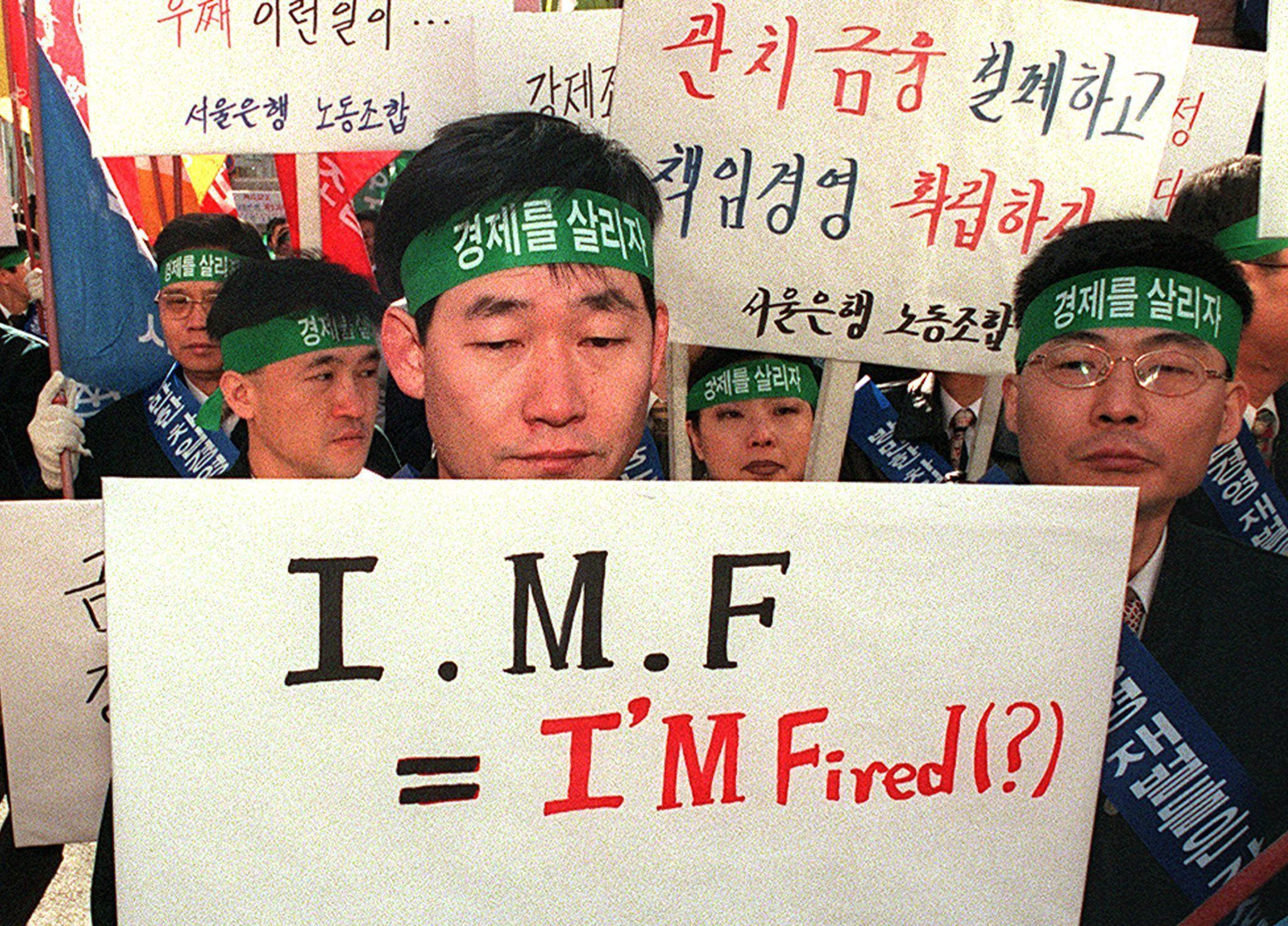
Photo Source: Bloomberg Opinion, “South Korea’s Economy Doesn’t Need Another IMF Rescue” (2019).
While the country was undergoing a major change after the 1997 financial crisis, a significant cultural shift had already begun within its entertainment industry.
Multiple signs of transformation were already visible within Korea’s music industry. The country where classical folk songs and ballads were considered the norm, In 1992, a group named Seo Taiji and Boys changed the trajectory of the music industry. They were among the first artists in Korean history to fuse American hip-hop, rap, rock, and live dance music with Korean lyrics. Their performances, incorporating rap, synchronized choreography, and youth-oriented fashion, sharply started a craze among the young stars at the time. Not only they dominated Korean popular music at the time but also their style and fashion quickly gained popularity among younger listeners. Regardless of their artistic success, they demonstrated the commercial potential of group-focused pop acts and modern performance-driven music. Their influence helped shape the later development of the K-pop industry, and the idol system paving the way for the first generation of idol groups such as H.O.T., S.E.S., and Fin.K.L, who broke their own records at the time, and the rest is the history we cherish now. 
Photo Source: Kpop Wiki (Fandom), Seo Taiji and Boys, CC-BY-SA.
While Seo Taiji and Boys had a milestone in Korea’s domestic pop music scene, the international expansion of Korean popular culture developed through broader and more strategic transformations. The widespread popularity of South Korean entertainment is coined by the term Hallyu, or the Korean Wave, which is the global popularity of Korean culture through television dramas, K-pop music, films, games, fashion, webtoons, korean food, and K-beauty products (Ju 2018). At the earlier phase, Hallyu emerged from the unexpected success of Korean television dramas in regional markets such as China and Japan during the late 1990s and early 2000s (Ju 2018).
Following its initial success, the South Korean government began implementing policies to encourage creativity and entrepreneurship in cultural industries. According to Kwon and Kim (2014), the government could also recognize the economic potential of cultural production and began considering the entertainment sector as a strategic export industry. Consequently, the cultural industries became increasingly major contributors to South Korea’s economic development and global cultural influence.
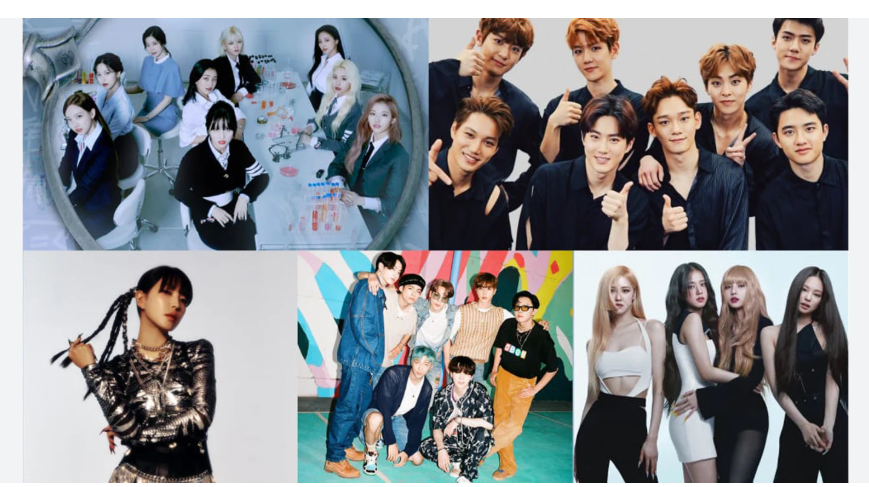
Photo Source: The Wildcat Tribune
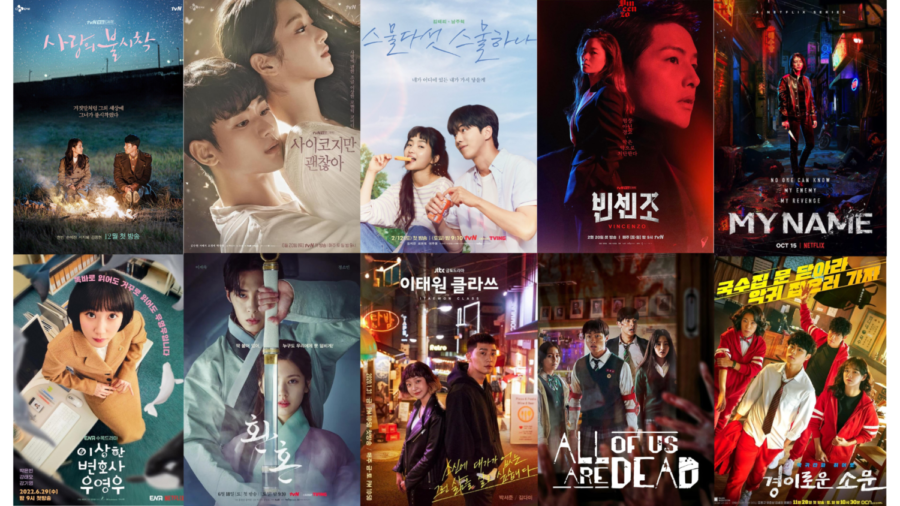
Photo Source: KKday Blog. Webtoons to Read Before Binge Watching Their K-Drama Adaptations.
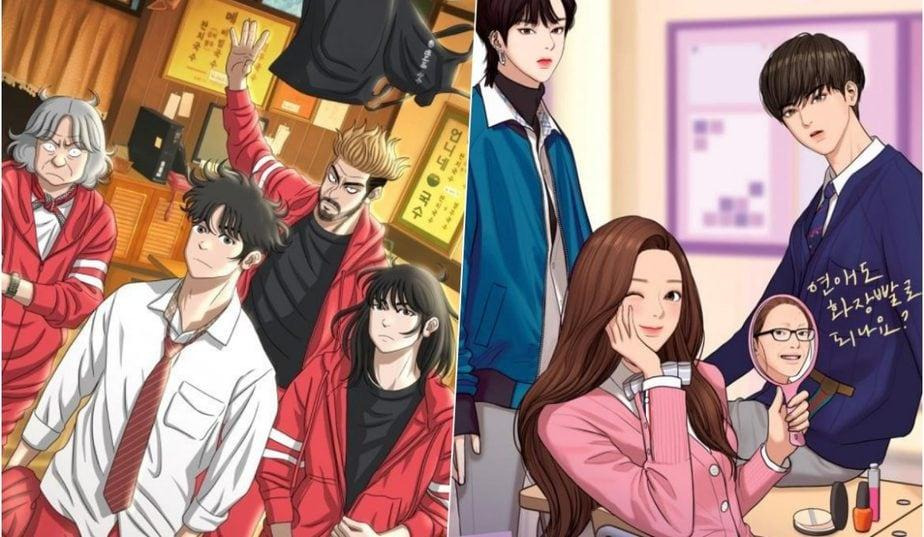
Photo Source: The Revolver Club. The K-Pop Phenomenon Explained.

Photo Source: Agoda. Savoring Seoul: A Culinary Journey Through the Best Korean Food.
With the rapid expansion in global popularity, Korean cultural content became an inevitable source of the national GDP. The South Korean government supported this growth through centralized institutions like the Korea Creative Content Agency (KOCCA). Established in 2001 to coordinate the promotion of cultural industries, LKOCCA has been successfully providing financial assistance to creators, and helping various companies distribute Korean content to international markets.
According to the KOCCA Content Industry Statistics Report published in 2023, South Korea’s content industry generated KRW 151.05 trillion in sales, meanwhile the exports reached approximately USD 12.96 billion. The 2021 exports exceeded all the earlier milestones with $12.4 billion worth of cultural contents. For the first time in economic history, this export value was more than that of several traditional industrial products such as home appliances and electric vehicles.
The COVID-19 pandemic along with the rise of digital streaming platforms have also played a crucial role in boosting the global spread of Korean entertainment. Popular online streaming services, such as Netflix, Disney+, and Viu, have allowed Korean television dramas, films, and music to reach global audiences more easily than ever before. Global streaming success stories further paved the way for critical success Korean contents. Released in 2021, the Netflix series Squid Game, ranked first in at least 90 countries, becoming the most viewed foreign language TV series in the world. Following that, actor Lee Jung Jae got the first ever Emmy award as an Asian actor in the leading drama role, proving the potential for its competent critical success. These massive recognitions highlighted how South Korea evolved into a major export sector while strengthening the country’s global cultural influence at the same time.
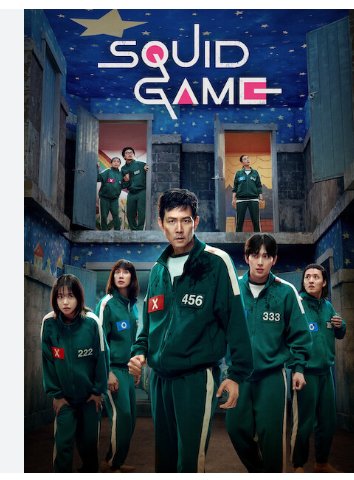
Photo Source: Netflix Media Center
The economic influence of the Hallyu extends beyond media exports into tourism and consumer spending. According to a report by the Korea Tourism Organization, about 1.11 million tourists visited South Korea in 2019 specifically due to their exposure to Hallyu-related culture, including K-pop concerts, filming locations of television dramas , and various other attractions (Korea Herald, 2020). These visitors spent $1,007 per trip on average demonstrating the significant economic impact of cultural tourism. This expenditure was distributed across multiple sectors of the economy, including shopping ($302), lodging ($184), food ($155), and Hallyu-related products and experiences ($138).
The patterns in the spending habit illustrate an important concept known as spillover effects, in which the success of one industry stimulates the rise of demand in other sectors. In global surveys among 12,000 international K-pop fans, 36.1% identified BTS as their most favorite Hallyu artist, further signifying the role of popular artists in driving tourism demand. This list is also followed by other popular groups such as EXO, Super Junior, BIGBANG, and more (Korea Herald 2020). This suggests that K-pop artists are not only entertainers but also as global cultural ambassadors in a sense who are capable of promoting tourism.
While it’s true that tourism is one of the best examples of economic spillover effects of the Korean Wave, the global success of individual K-pop artists has also generated notable economic value. In this case, the first name that comes to mind, even for non Kpop listeners, is BTS. The economic impact of the boy band BTS is staggering, representing as a center of one of the most commercially successful cultural exports of all time.
According to estimates from the Hyundai Research Institute, BTS alone contributed approximately $4.9 billion annually to South Korea’s economy through album sales, global concert tours, tourism, and merchandise (Oppong 2020). Their global popularity has generated significant revenue both domestically and internationally. Many Economists came up with the term "BTS-nomics" for describing the global phenomenon caused by their legacy and massive global fandom. In 2019, the BTS’s Love Yourself world tour generated over $170 million, while their planned Map of the Soul world tour was projected to generate even higher revenue before being disrupted by the COVID-19 pandemic (Lamare 2020). These figures not only show how Kpop artists function as entertainers but also how they are major economic assets within South Korea’s cultural export economy.

Photo Source: X.com
Beyond its economic value, the Korean Wave has also strengthened South Korea’s global cultural influence. A survey conducted by the Ministry of Culture, Sports and Tourism reported 76.7 % positive perception of South Korea, based on responses from 8,000 participants across 16 countries (MCST 2019). Among the factors shaping this impression, Korean pop culture was identified as the most influential, accounting for 38.2% of positive responses, succeeded by economic development and cultural heritage.
Political scientist Joseph Nye thinks that this global influence of the Korean Wave can also be explained through the concept of soft power, a term that refers to a country’s ability to influence others through attraction rather than coercion or military force. According to Nye, culture, , and proper implication foreign policies can serve as key sources of soft power when they generate international admiration and interest (Nye 2004). In South Korea’s case , cultural products such as K-pop music, television dramas, and films have become powerful vehicles of international influence. Specifically, K-dramas like Squid Game, films like Parasite, or popular K-pop groups such as BTS, have most notably expanded the international visibility of Korean culture. This proves how Hallyu hone in the national soft power.
In the years that followed, cultural production became increasingly integrated into South Korea’s broader national development strategy. K-pop group BTS was appointed Special Presidential Envoy for Future Generations and Culture, and their partnership with UNICEF’s Love Myself campaign raised $6.6 million for youth mental health initiatives. They were also appointed to speak in the UN’s general assembly for the issue of growing Asian hate following the COVID-19 pandemic.
To conclude this article, all I have to say is that South Korea’s rise as a global cultural powerhouse gives a big lesson regarding how creative industries can transform a nation’s economic and international position with correct measures. From the devastating aftermath of the Korean War to the economic reformation following the 1997 financial crisis, the country gradually built an industrial and technological foundation that later supported the global expansion of its cultural industries. Through deliberate government cooperation, strategic industry development, and the correct utilization of digital platforms, Korean entertainment evolved into a major export sector generating billions of dollars in revenue. The success of K-pop, films, and television dramas has also stimulated tourism, consumer spending, and international cultural engagement.
At the same time, the Korean Wave or Hallyu serves as a great example for the broader influence of cultural soft power. When the global audience consume Korean music, films, and media, they also develop greater familiarity with the country’s culture, brands, and values. In this way, South Korea’s cultural industries function as instruments of global influence. The rise of Hallyu ultimately shows that in the modern global economy, culture itself can become a powerful engine of national development.
Works Cited
Gregg, Donald. 2000. “BRIEF HISTORY of KOREA -A Bird’s-EyeView- Young Ick Lew with an Afterword By.” https://www.koreasociety.org/images/pdf/KoreanStudies/Monographs_GeneralReading/BRIEF%20HISTORY%20OF%20KOREA.pdf.
“K-Pop by John Lie - Paper.” 2014. University of California Press. 2014. https://www.ucpress.edu/books/k-pop/paper.
Lee, Geun. 2009. “A Soft Power Approach to the ‘Korean Wave.’” The Review of Korean Studies 12 (2): 123–37. https://doi.org/10.25024/review.2009.12.2.006.
“Public Information Notice: IMF Concludes Article IV Consultation with Korea.” 1999. IMF. December 29, 1999. https://www.imf.org/en/news/articles/2015/09/28/04/53/pn99115.
World Bank. 2024. “GDP per Capita (Current US$).” World Bank. 2024. https://data.worldbank.org/indicator/NY.GDP.PCAP.CD.
Lie, John. (2014). K-Pop: Popular Music, Cultural Amnesia, and Economic Innovation in South Korea. 10.1525/9780520958944.
https://www.ucpress.edu/books/k-pop/paper
JIN, DAL YONG. New Korean Wave: Transnational Cultural Power in the Age of Social Media. University of Illinois Press, 2016. http://www.jstor.org/stable/10.5406/j.ctt18j8wkv.
Ju, Hyejung. "The Korean Wave and Korean Dramas." Oxford Research Encyclopedia of Communication. 30 Jul. 2018; Accessed 16 Mar. 2026. https://oxfordre.com/communication/view/10.1093/acrefore/9780190228613.001.0001/acrefore-9780190228613-e-715.
Affandi, Roseno Aji, and Nindita Windriyani Putri. 2023. “KOCCA Strategy for Expanding South Korean Cultural Content to Global Audiences amid the COVID-19 Pandemic.” Edited by T.N. Mursitama, Noerlina, D.N. Utama, and S.A. Abrori. E3S Web of Conferences 426: 02050. https://doi.org/10.1051/e3sconf/202342602050.
Jayathry Gunaratne. 2025. “BTS and the Rise of South Korea’s Creative Economy.” Meer. Meer.com. February 20, 2025. https://www.meer.com/en/86650-bts-and-the-rise-of-south-koreas-creative-economy.
Liang, Ruitong. 2023. “Analysis of the Influence of BTS on K-Pop.” Communications in Humanities Research 14 (1): 42–47. https://doi.org/10.54254/2753-7064/14/20230403.
Nye, Joseph. 2004. “Soft Power: The Means to Success in World Politics.” Harvard.edu. 2004. https://www.wcfia.harvard.edu/publications/soft-power-means-success-world-politics.
Sellers, Stephanie. 2025. “SOUTH KOREA’S USE of CULTURE as an INSTRUMENT of NATIONAL POWER.” War Room - U.S. Army War College. November 20, 2025. https://warroom.armywarcollege.edu/articles/culture-as-national-power/.
“Welcome to the Website of the Ministry of Culture, Sports and Tourism of the Republic of Korea.” 2020. Www.mcst.go.kr. February 4, 2020. https://www.mcst.go.kr/english/policy/pressView.jsp?pSeq=13.
Yonhap. 2020. “‘Hallyu’ Tourists Spent $1,007 on Average in 2019, BTS Most Favored: Report - the Korea Herald.” The Korea Herald. July 16, 2020. https://www.koreaherald.com/article/2368387.